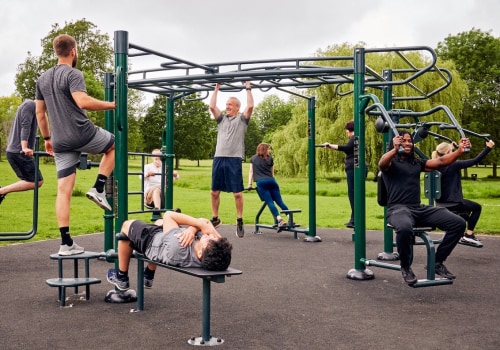
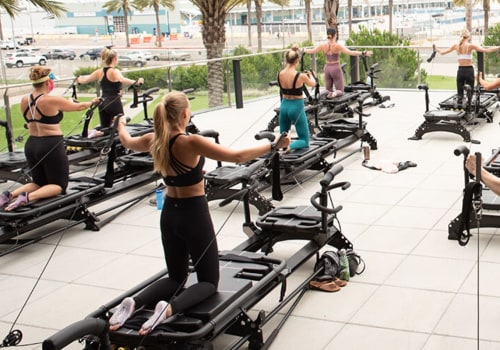
Outdoor fitness activities have become an increasingly popular way for people to improve their physical health while also enjoying fresh air and natural surroundings. Unlike traditional gym workouts, outdoor exercise offers a dynamic environment that encourages movement, exploration, and social interaction. Parks, waterfronts, and open community spaces now serve as gathering places where individuals and groups participate in activities such as jogging, cycling, yoga, and group training sessions. These environments create opportunities for people to focus on wellness while also connecting with others who share similar health goals. As more communities invest in walkable parks, bike paths, and recreational facilities, outdoor fitness has become a powerful tool for promoting healthier lifestyles.
Physical Benefits of Exercising Outdoors
One of the key reasons outdoor fitness has grown in popularity is the wide range of physical benefits it provides. Activities like walking, cycling, and bodyweight training help improve cardiovascular health, strengthen muscles, and increase overall endurance. Exposure to natural sunlight can also help regulate sleep patterns and support vitamin D production, which plays an important role in maintaining bone health and immune function. Additionally, exercising in a natural environment often feels less repetitive than indoor workouts, which encourages people to stay consistent with their fitness routines. Whether someone is running along a scenic trail or participating in a weekend group workout in a park, outdoor exercise offers a refreshing way to stay active.
Mental Wellness and Stress Reduction
Outdoor fitness is not only beneficial for physical health but also plays a significant role in supporting mental wellness. Spending time in nature has been shown to reduce stress, improve mood, and increase overall mental clarity. The calming effect of trees, open skies, and natural landscapes can help people disconnect from daily pressures and focus on the present moment. Many individuals find that exercising outdoors feels more energizing and uplifting than working out in enclosed spaces. Activities like outdoor yoga, hiking, and cycling allow participants to combine mindfulness with movement, creating a balanced approach to wellness that benefits both the body and mind.
Strengthening Community Connections
Another important aspect of outdoor fitness is the way it brings communities together. Local fitness groups, community sports leagues, and park-based exercise programs encourage people to socialize while staying active. These gatherings create opportunities for individuals to meet new people, build friendships, and support each other’s health goals. Community events such as charity runs, cycling events, and outdoor wellness festivals often draw participants of all ages and backgrounds. This sense of shared participation helps strengthen neighborhood bonds and encourages a culture where health and wellness are valued collectively rather than individually.
Outdoor Recreation and Active Lifestyles
The growing interest in outdoor fitness also reflects a broader trend toward active lifestyles and recreational exploration. Many people now view exercise as an opportunity to discover new places and experiences rather than simply completing a routine workout. Cycling trails, nature parks, and scenic pathways have become popular destinations for both locals and travelers who want to combine adventure with physical activity. When researching ways to explore outdoor environments, people often search online for recreational options. For example, travelers planning active experiences may come across searches such as "bike rental Marrakech, electric bike rental Marrakech, bike hire in Marrakech, bike rental, e-bike rental", highlighting how cycling and outdoor recreation continue to shape how individuals engage with both travel and fitness.
Encouraging Healthier Communities
Ultimately, outdoor fitness activities play a valuable role in promoting healthier and more connected communities. By encouraging people to step outside, move their bodies, and interact with others, these activities create a positive cycle of wellness and social engagement. Parks, trails, and public spaces become hubs for healthy living, where individuals can exercise, relax, and connect with neighbors. As communities continue to prioritize outdoor recreation and accessible fitness opportunities, outdoor exercise will remain an essential part of building healthier, happier, and more vibrant neighborhoods.