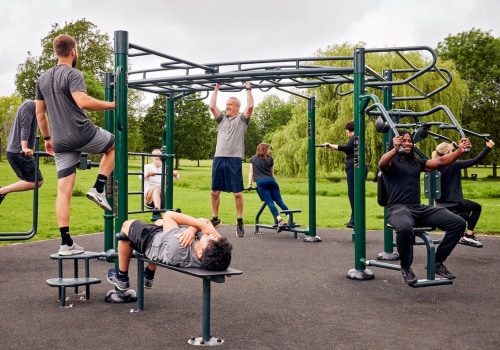
Outdoor fitness activities have grown rapidly in popularity as people seek healthier lifestyles, fresh air, and social connection beyond traditional gyms. Parks, waterfronts, and open spaces now host boot camps, yoga sessions, cycling meetups, and functional training classes that welcome participants of all fitness levels. These activities transform public spaces into dynamic wellness hubs, encouraging regular movement while fostering a sense of community. What often goes unseen, however, is the business infrastructure that makes outdoor fitness both accessible and sustainable.
Designing Experiences That Motivate Participation
At the heart of outdoor fitness is experience design. Instructors and organizers carefully plan class formats, schedules, and locations to accommodate varying abilities and goals. Safety considerations, clear instruction, and engaging programming keep participants motivated and returning week after week. Consistency matters: reliable start times, recognizable instructors, and predictable class quality build trust. From a business perspective, these elements are essential to customer retention and word-of-mouth growth.
Operations, Permits, and Logistics
Running outdoor fitness programs involves more than leading workouts. Organizers must navigate permits, insurance, and coordination with local authorities to ensure compliance and safety. Weather contingency plans, equipment transport, and site setup require operational discipline. Efficient logistics minimize disruptions and protect brand reputation. For larger events—such as fitness festivals, charity workouts, or seasonal challenges—temporary infrastructure becomes critical, including staging, hydration stations, and sheltered areas supported by solutions like large tent rental in Stamford, CT, which help maintain continuity despite changing conditions.
Equipment, Staffing, and Quality Control
Equipment reliability is another pillar of success. Mats, weights, resistance bands, bikes, and audio systems must be well-maintained and appropriate for outdoor use. Wear and tear can affect safety and performance, so preventive maintenance and replacement cycles are part of responsible operations. Staffing also matters: certified trainers, assistants, and event coordinators ensure smooth execution and participant safety. Investing in training and clear roles helps maintain quality as programs scale.
Pricing Models and Revenue Streams
The business side of outdoor fitness relies on flexible pricing models that balance accessibility with sustainability. Options may include drop-in fees, class packs, memberships, corporate partnerships, or sponsorships. Many operators diversify revenue through branded merchandise, nutrition add-ons, or private sessions. Transparent pricing and clear value propositions help participants understand what they’re paying for—expert instruction, community, and convenience—while supporting long-term viability.
Marketing, Branding, and Community Trust
Effective marketing connects outdoor fitness programs with the right audiences. Social media, local partnerships, and community events amplify reach and reinforce brand identity. Authentic storytelling—highlighting participant journeys, instructor expertise, and community impact—builds trust. Collaborations with local businesses and nonprofits can expand visibility while aligning fitness initiatives with broader wellness goals. Consistent branding across signage, digital platforms, and instructor messaging strengthens recognition and recall.
Risk Management and Participant Safety
Outdoor recreation introduces variables that require proactive risk management. Heat, cold, uneven terrain, and crowd dynamics must be addressed through screening, clear instructions, and emergency protocols. Liability coverage and waivers protect both participants and operators. A strong safety culture—supported by checklists, briefings, and continuous improvement—reduces incidents and enhances confidence, which is essential for repeat participation and referrals.
Measuring Impact and Adapting to Demand
Data-driven decisions help outdoor fitness businesses evolve. Attendance trends, retention rates, and participant feedback inform scheduling, programming, and staffing. Seasonal adjustments, location rotations, and class innovations keep offerings fresh while meeting demand. Successful operators remain agile, adapting to community needs without diluting quality.
Recreation as Both Mission and Enterprise
Outdoor fitness activities demonstrate how recreation can be both mission-driven and commercially viable. By pairing inspiring experiences with disciplined operations, thoughtful pricing, and reliable infrastructure, organizers create programs that improve health while sustaining growth. When the business side of recreation is managed with care, outdoor fitness becomes a durable community asset—energizing participants, activating public spaces, and delivering value well beyond the workout.